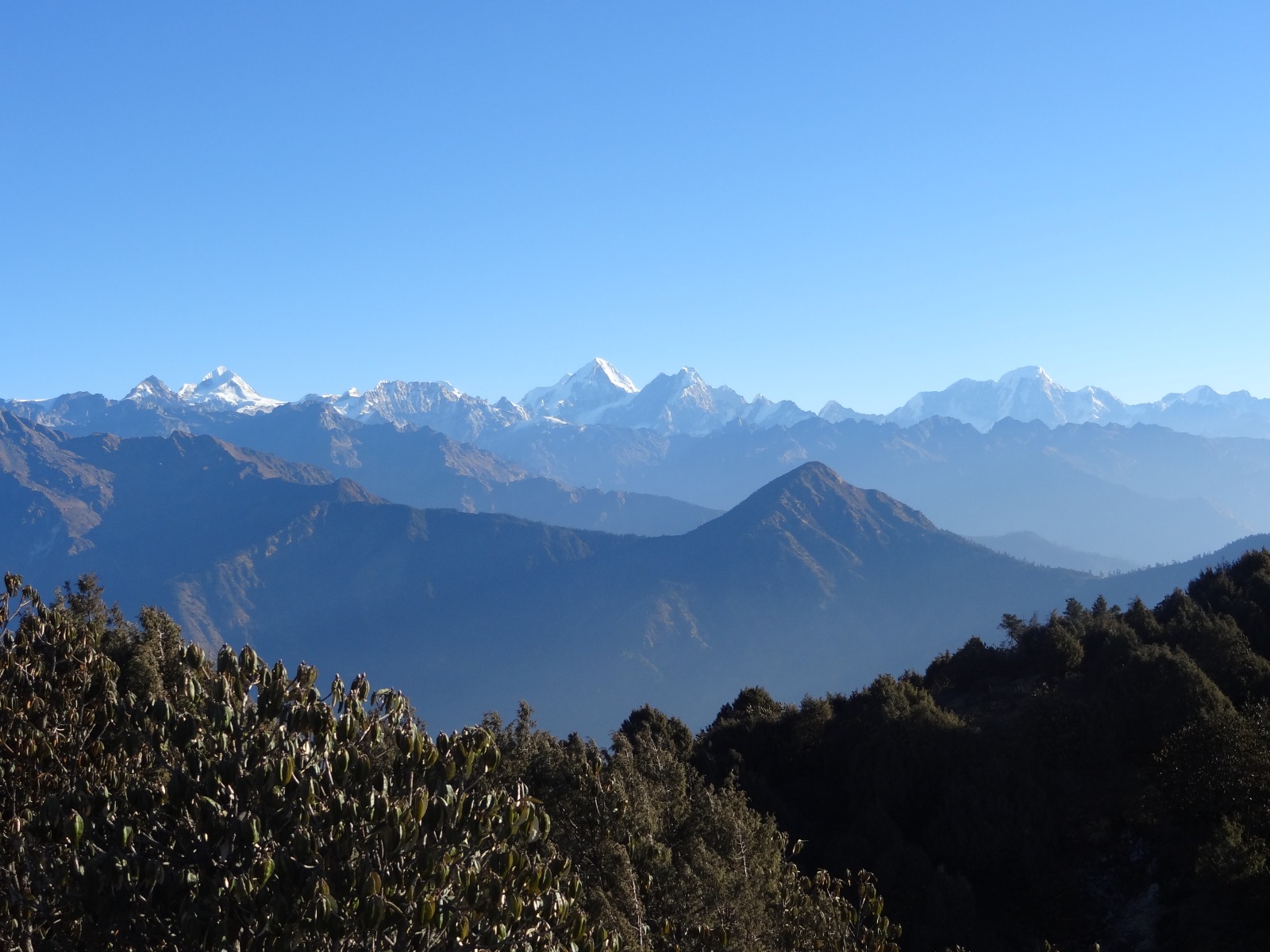

The Kathmandu International Trail Marathon isn't just a race; it's a physiological challenge. At an average elevation of 1,400 meters with peaks reaching over 2,700 meters, your body reacts differently. Here is how to prepare your lungs and legs for the thin air of the Shivapuri ridge.
Understanding the Physiology
When you ascend above 2,000 meters, the partial pressure of oxygen decreases. Your body compensates by increasing your breathing rate and heart rate. For sea-level athletes, this can be a shock to the system. The key isn't just fitness; it's adaptation.
Research suggests that acclimatization starts within the first 24 hours but full adaptation can take weeks. Since most participants arrive only a few days before the race, our strategy focuses on acute adaptation and pacing management.
"The air up here is thin, but the spirit is thick with determination. Respect the altitude, and the mountain will respect you back."
Three Pillars of Preparation
Pre-Race Volume
Focus on vertical gain rather than horizontal distance. Try to accumulate at least 2,000m of vert per week in the month leading up to the race.
Hydration Strategy
At altitude, you lose more water through respiration. Increase your daily intake by 1.5L starting three days before your flight.
Pacing Discipline
Start slower than you think is necessary. Your "easy" pace at sea level is your threshold pace here. Watch your heart rate, not your watch speed.

Gear Selection
Weather in the valley can be unpredictable. While the start line might be humid, the ridge lines are exposed and windy. We recommend a lightweight windbreaker that packs into its own pocket.
- Shoes: Aggressive lugs (5mm+) for the muddy descents.
- Hydration Vest: Minimum 1.5L capacity is mandatory.
- Nutrition: Altitude suppresses appetite. Bring liquid calories.
Remember, KITM is a celebration of the Himalayas. Take a moment at the top of the Jamacho peak to look around. That view is what you trained for.